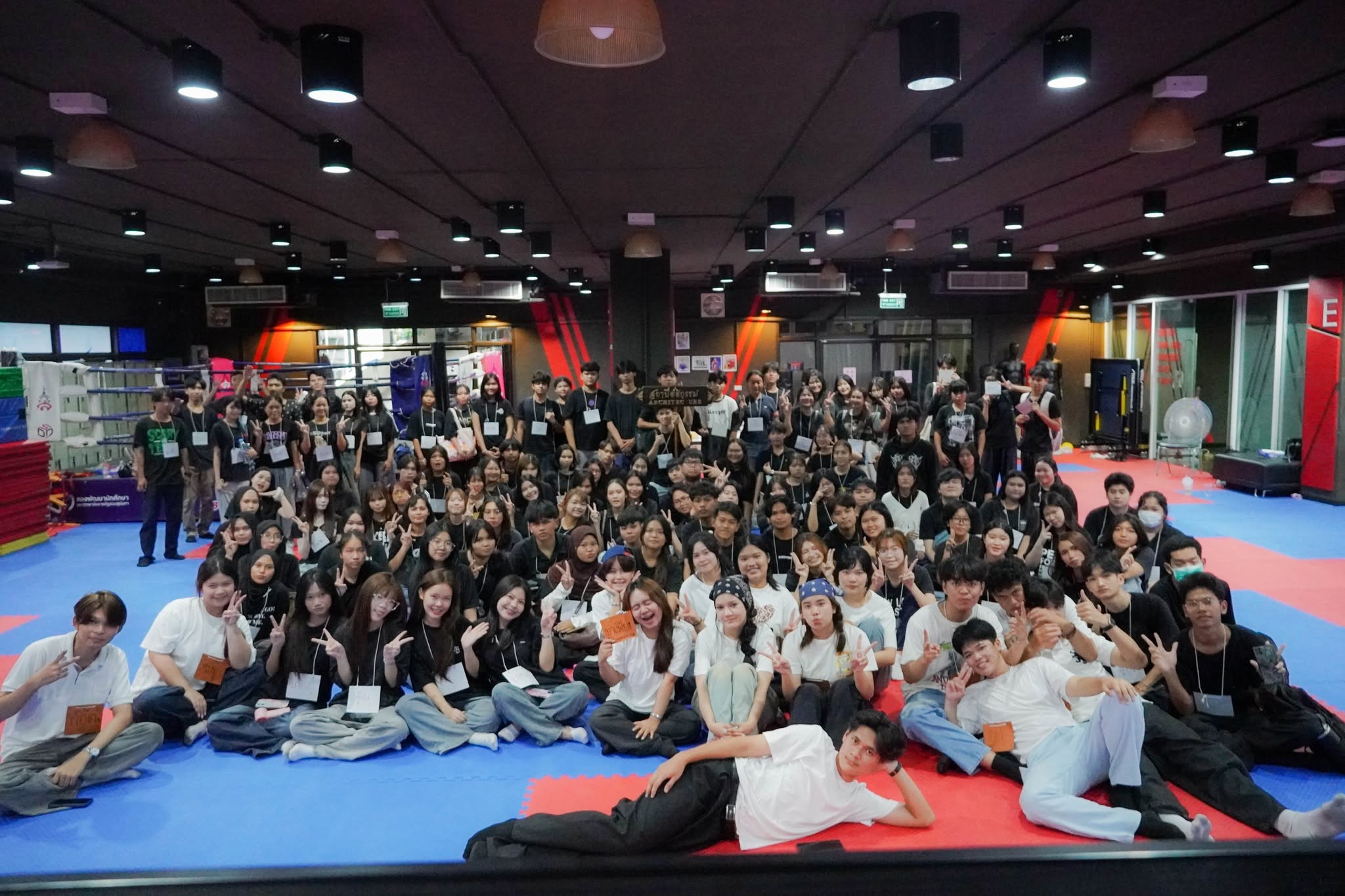
The College of Architecture, Suan Sunandha Rajabhat University, organized the “Arch-Foundation: Building the Foundations of Architecture, Inspiring Future Skills” new student preparation program for the Academic Year 2026 from June 30 to July 10, 2026. The program aimed to prepare first-year students and develop the potential of student leaders in academic knowledge, professional skills, Soft Skills, and Future Skills, enabling them to confidently transition into higher education and their future studies in architecture.
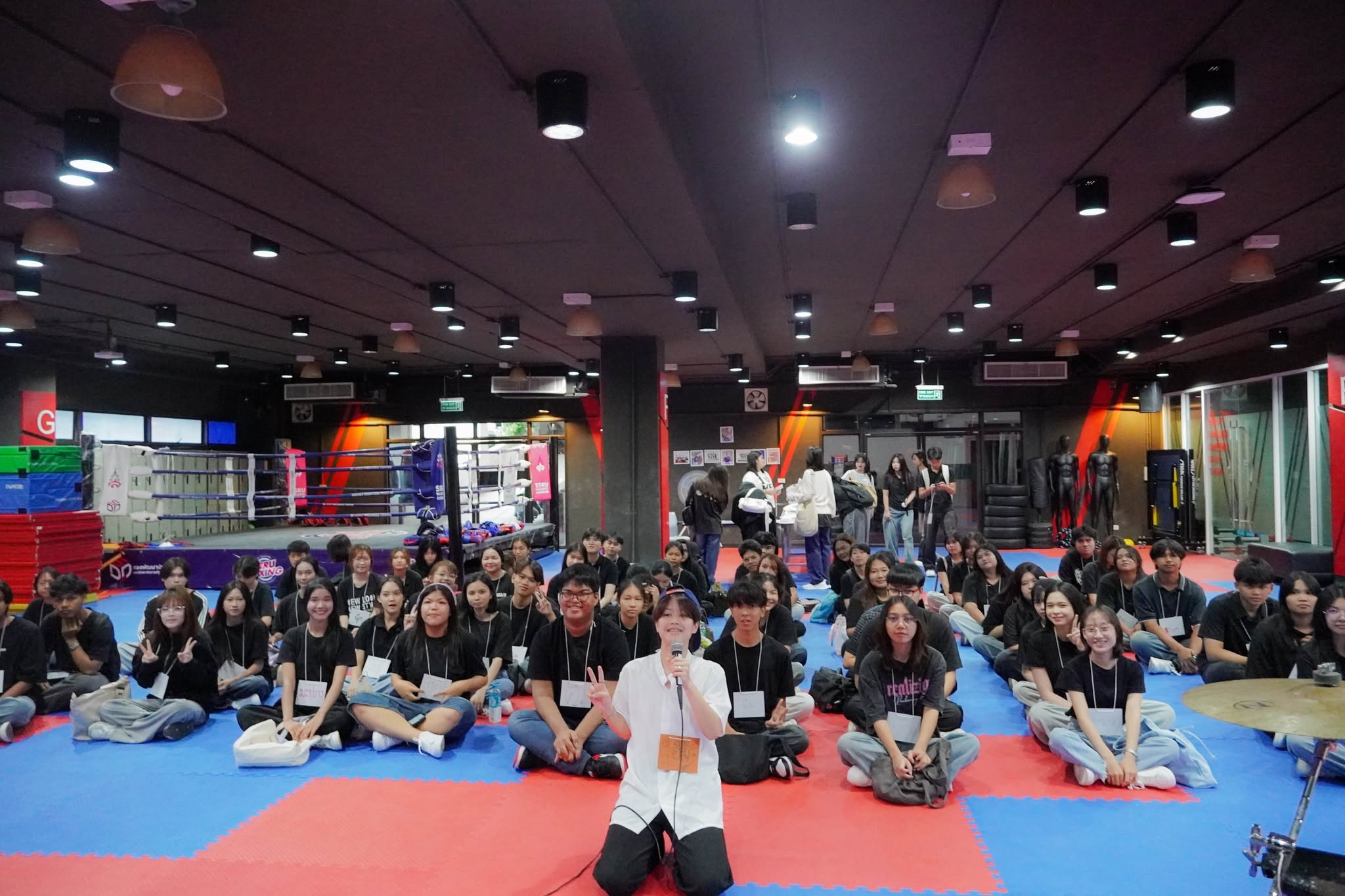
Throughout the program, new students participated in a wide range of learning activities covering university life orientation, relationship building among students, faculty members, and staff, as well as course registration to prepare for their first semester. These activities were complemented by sessions designed to develop communication, teamwork, creativity, leadership, analytical thinking, problem-solving, and adaptability skills to help students respond effectively to the changing demands of the future. The activities were supported by the College of Architecture Student Club and college staff.
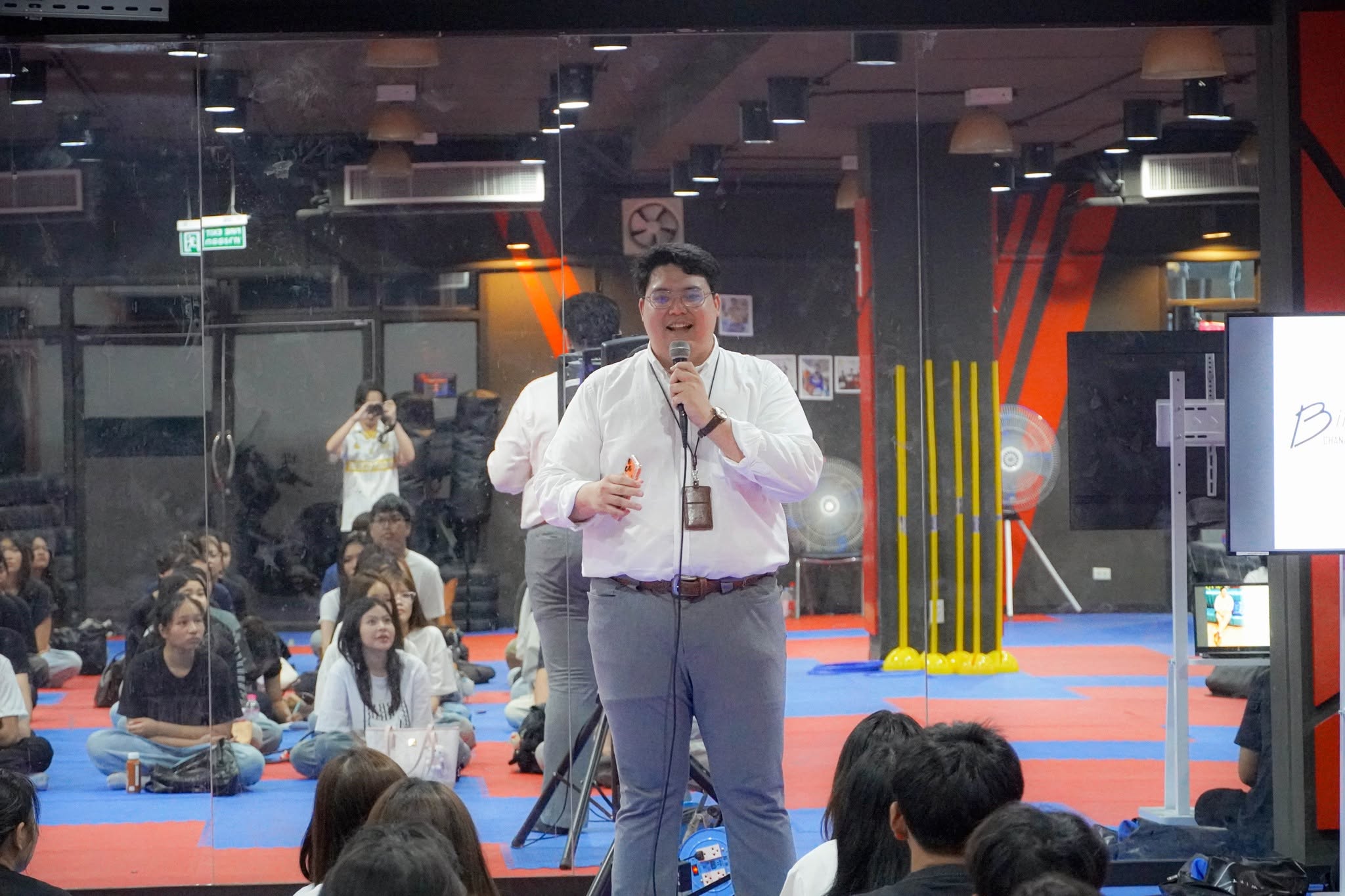
To inspire students and broaden their perspectives on the architectural profession, the program featured experience-sharing sessions by alumni, Mr. Chanarat Rattanaphan and Ms. Kamonphon Rungsang, who shared their experiences in university life, personal development, and professional careers. Their stories provided new students with valuable perspectives on personal and professional growth, from university life to becoming professional designers.
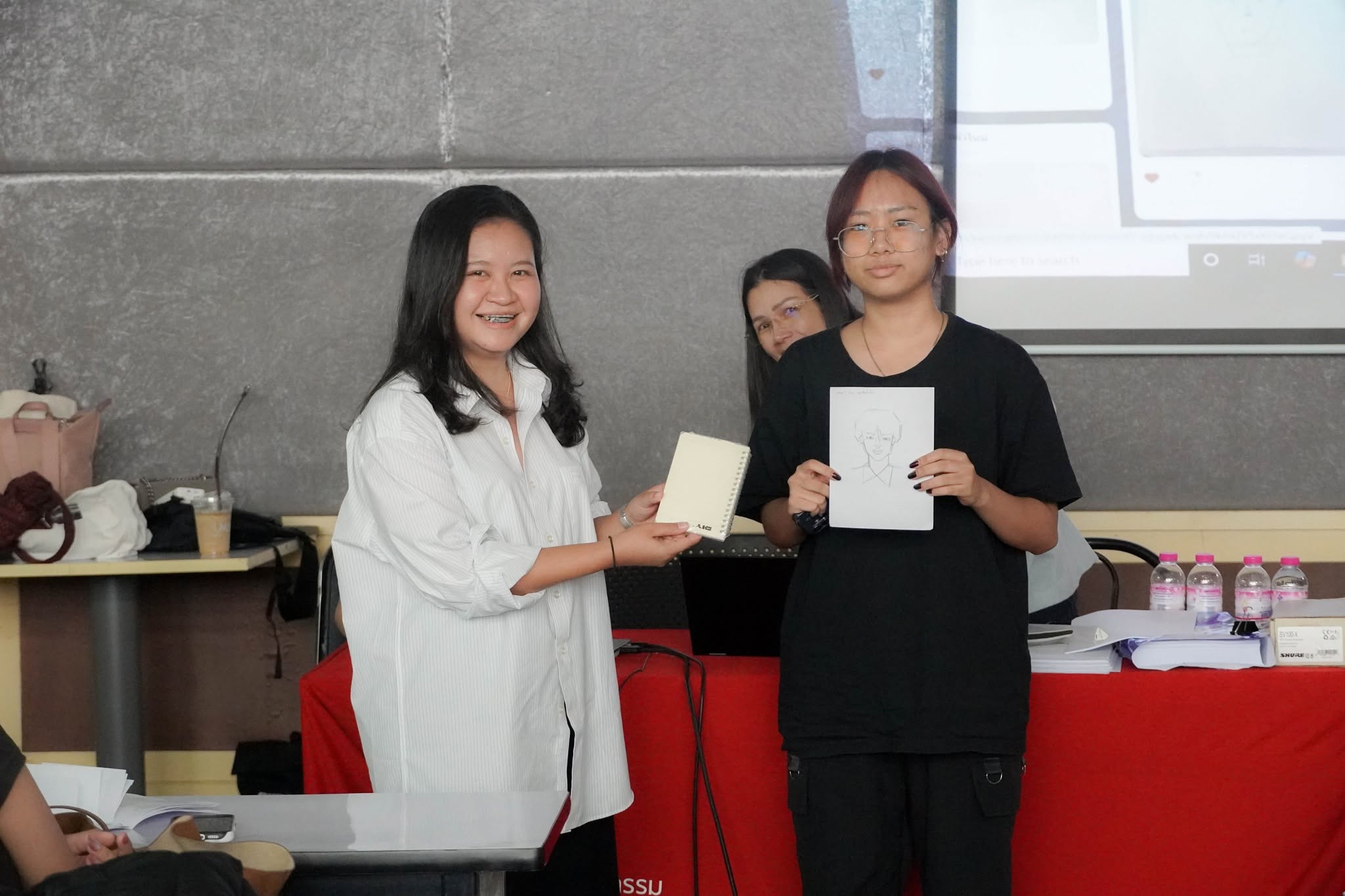
As part of the professional foundation activities, students participated in Basic Drawing, led by Mr. Pipat Saksirikasemkul, Associate Dean for Research and Academic Services, and Ms. Somruthai Kaeo-im. Through hands-on practice, students developed fundamental skills in observation, depicting forms and proportions, understanding light, shadow, and three-dimensionality, as well as communicating ideas through hand drawing. These skills serve as essential foundations for architectural design education.
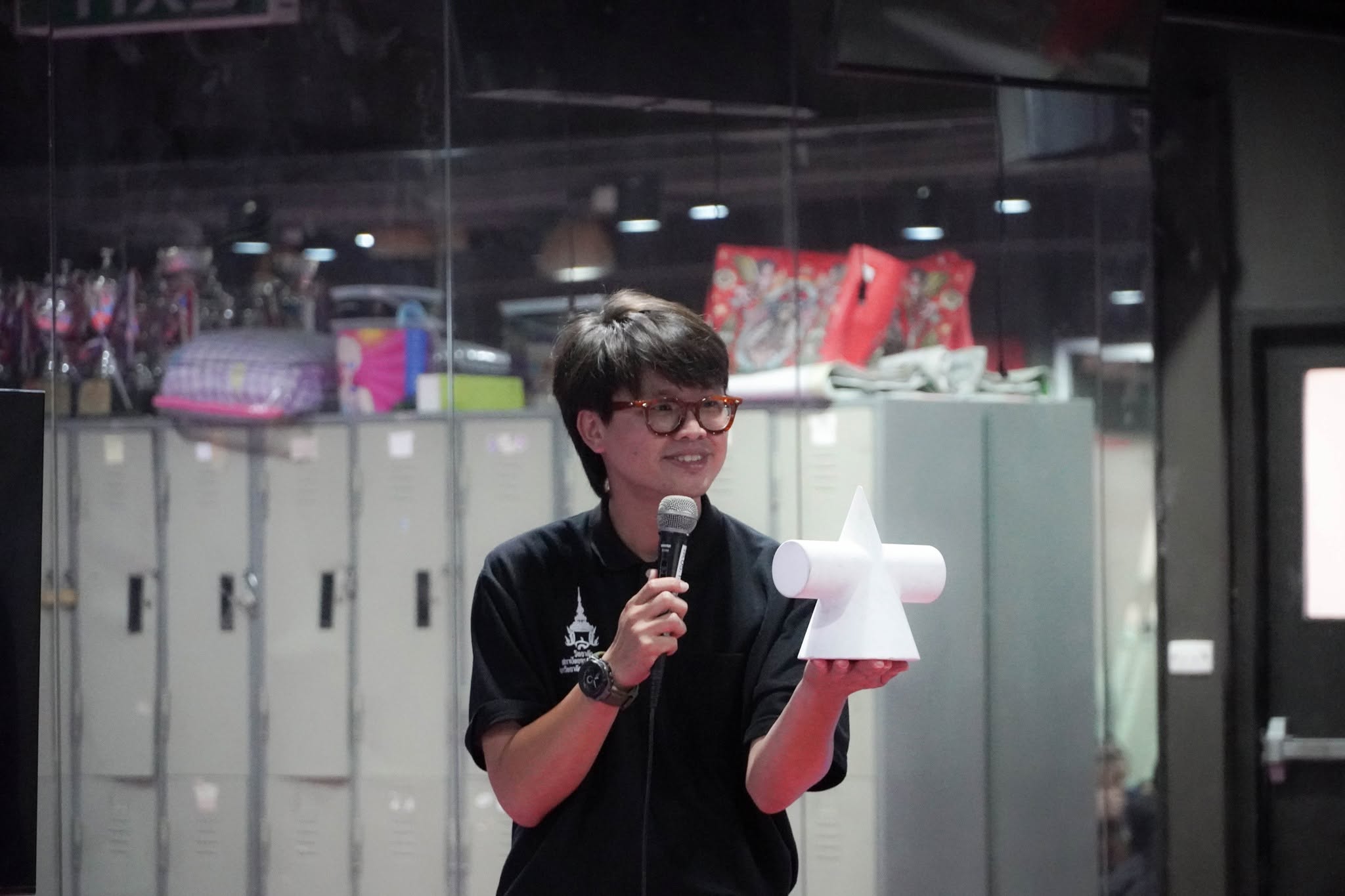
Students also learned Basic Drafting and the Use of Architectural Equipment, conducted by Ms. Sawalak Chueasuwan, Associate Dean for Student Affairs. The session introduced the fundamental principles of architectural drafting, essential tools and equipment, as well as proper methods for selecting, using, and maintaining drafting equipment. This activity helped ensure that students were adequately prepared for fundamental courses in architectural design and drafting.
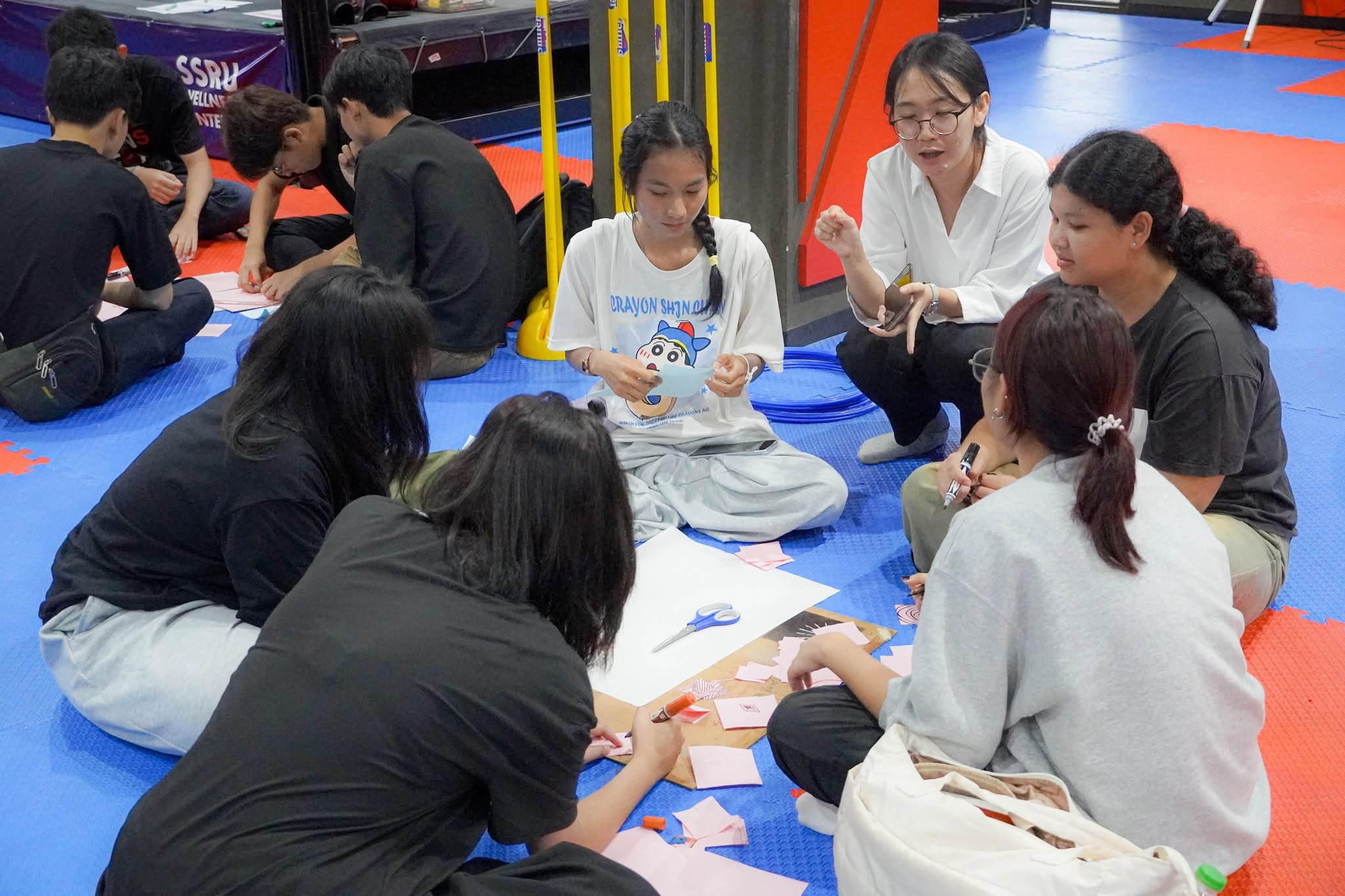
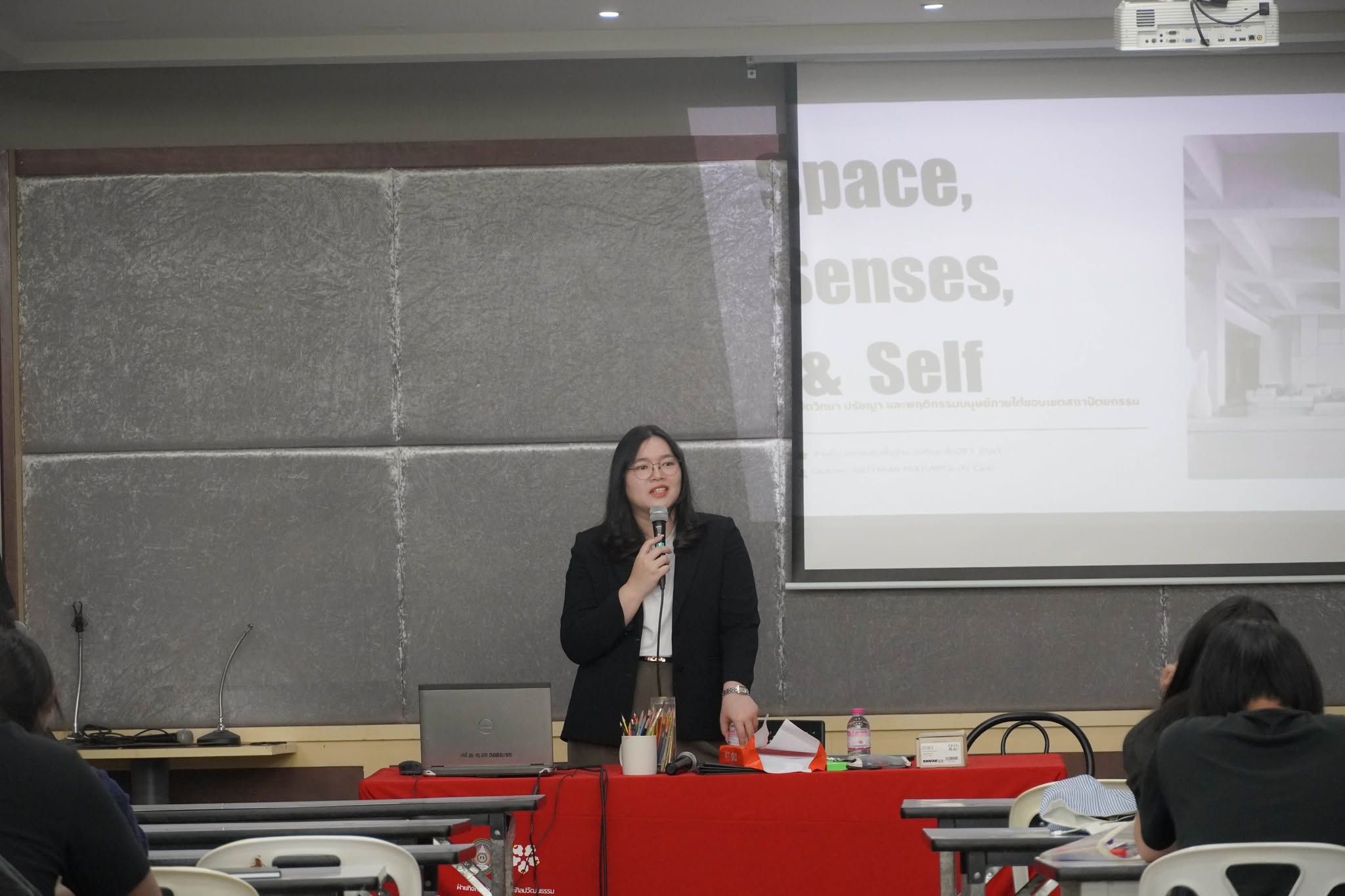
Another key activity was “Space, Senses and Self,” conducted by Ms. Nattakan Prathumphon. The session introduced students to the relationship between space, sensory perception, and the self through observation, analysis, discussion, and creative hands-on activities. Students were encouraged to understand that architectural design is not concerned solely with the appearance of buildings, but also with the experiences, emotions, and needs of people who use and inhabit those spaces.
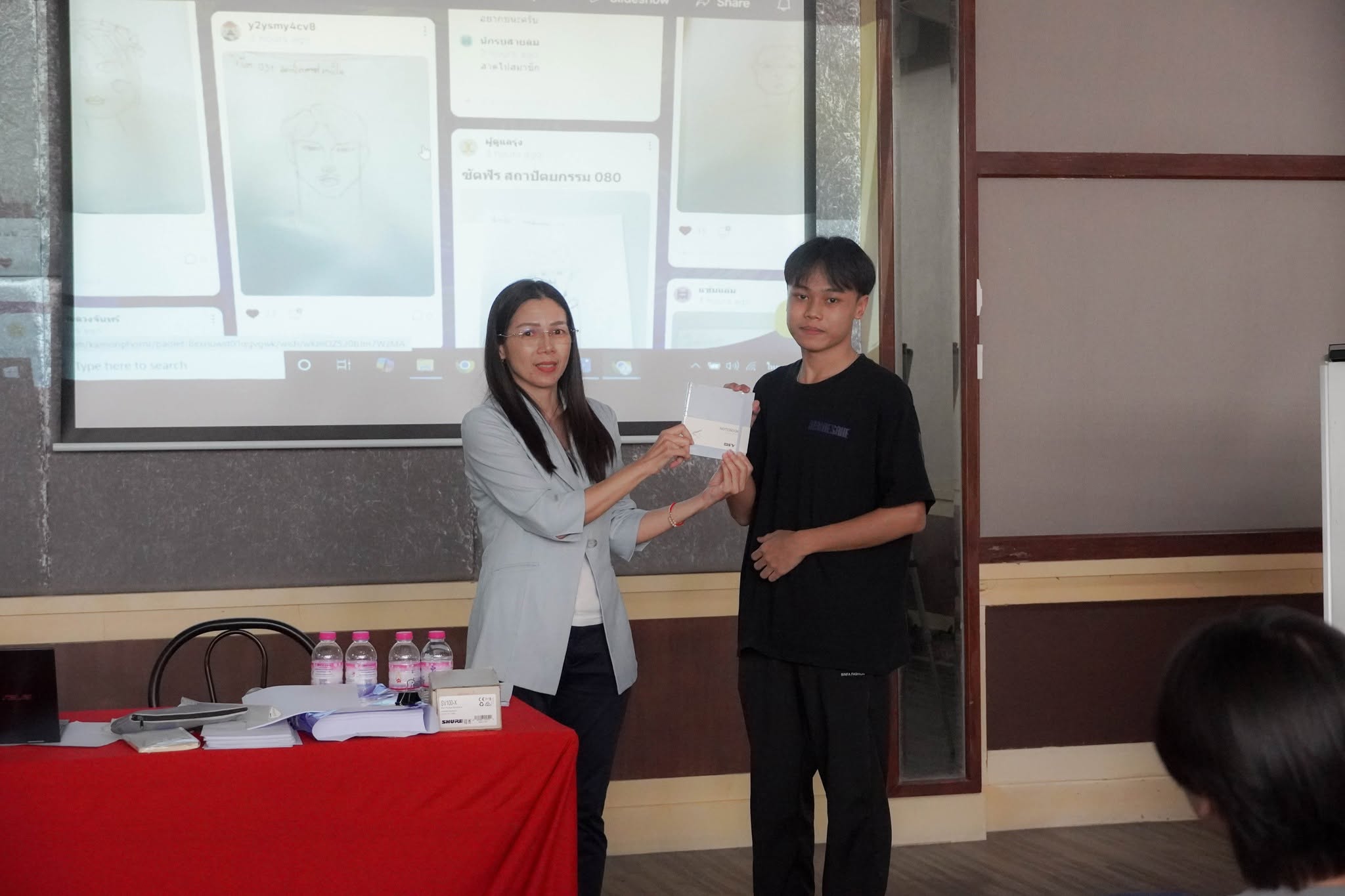
To further develop creative thinking, students participated in “Exploring the Beauty of Nature toward Human-Made Design,” led by Mr. Anak Na Nong Khai. The activity introduced approaches to drawing inspiration from nature through observation, analysis, and interpretation of natural forms, structures, and patterns. Students were encouraged to apply these observations to creative design processes that consider aesthetics, functionality, and sustainability.
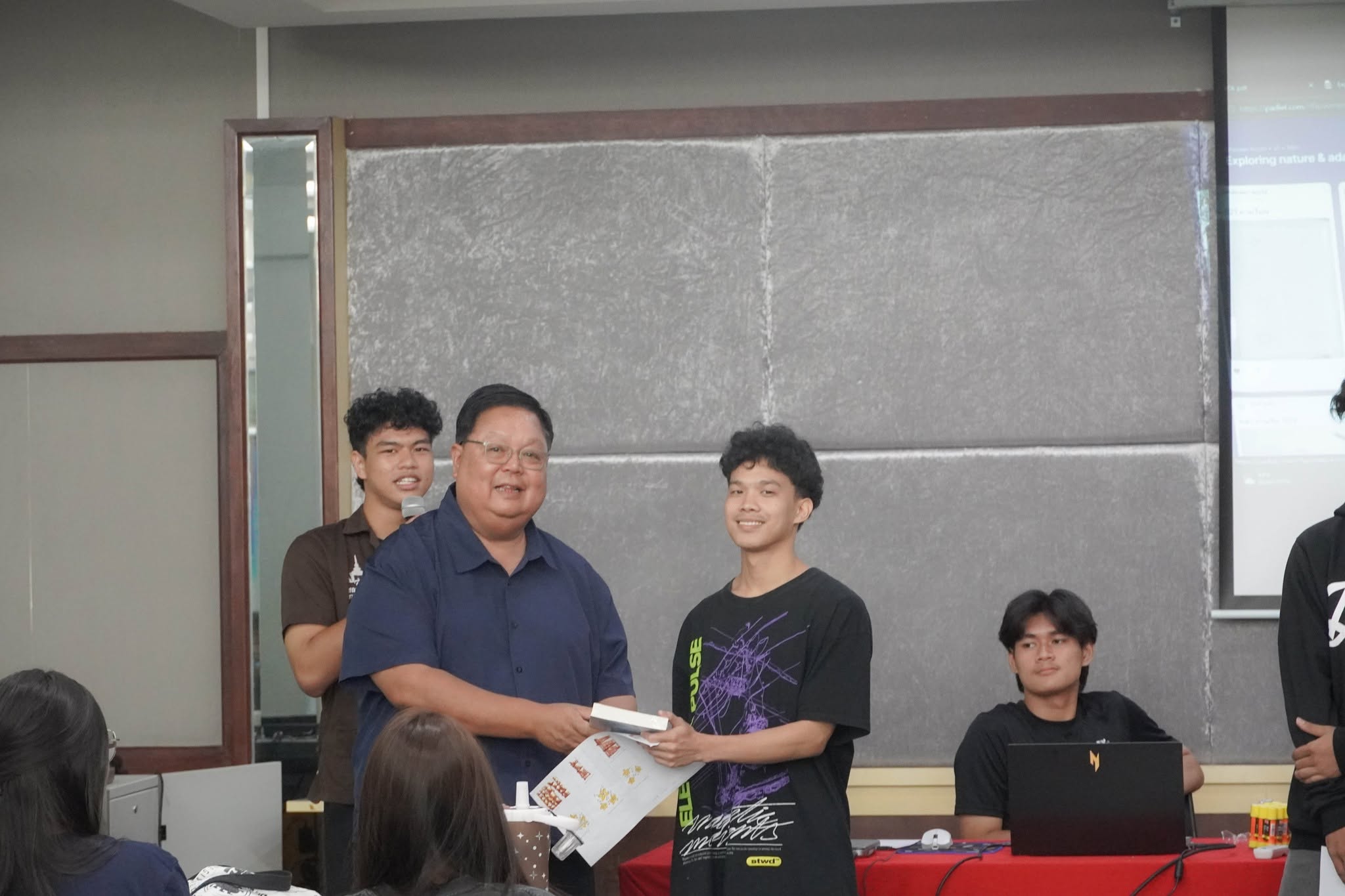
Meanwhile, students explored visual communication through the “Photo Essay” activity, conducted by Ms. Sukpatchanan Chanphithun. The session focused on Visual Storytelling, enabling students to develop skills in observation, perspective selection, image composition, and the sequencing of photographs to communicate emotions, ideas, and stories with meaning. These skills can be applied to academic studies, spatial analysis, and the presentation of architectural and design projects.
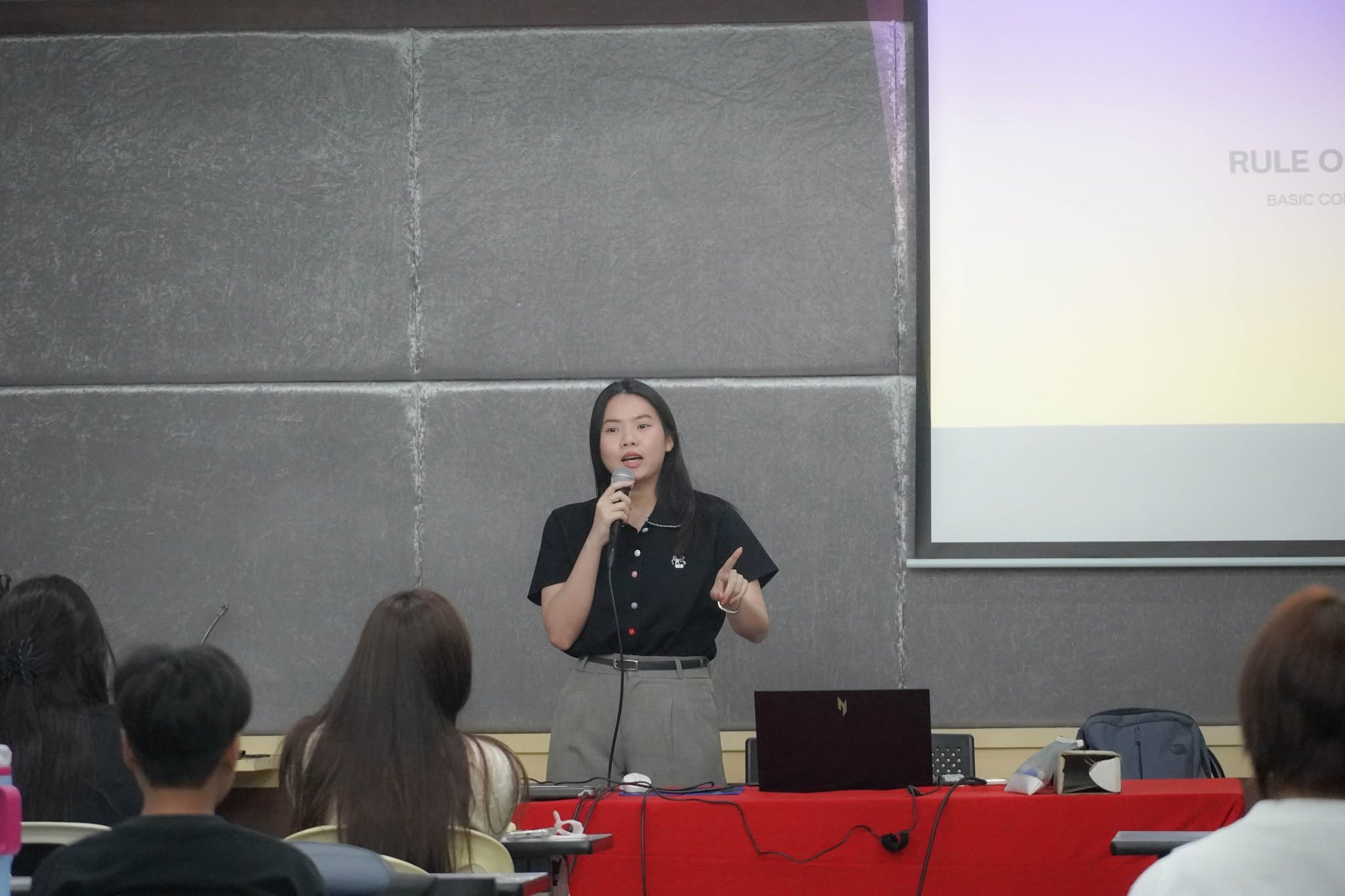
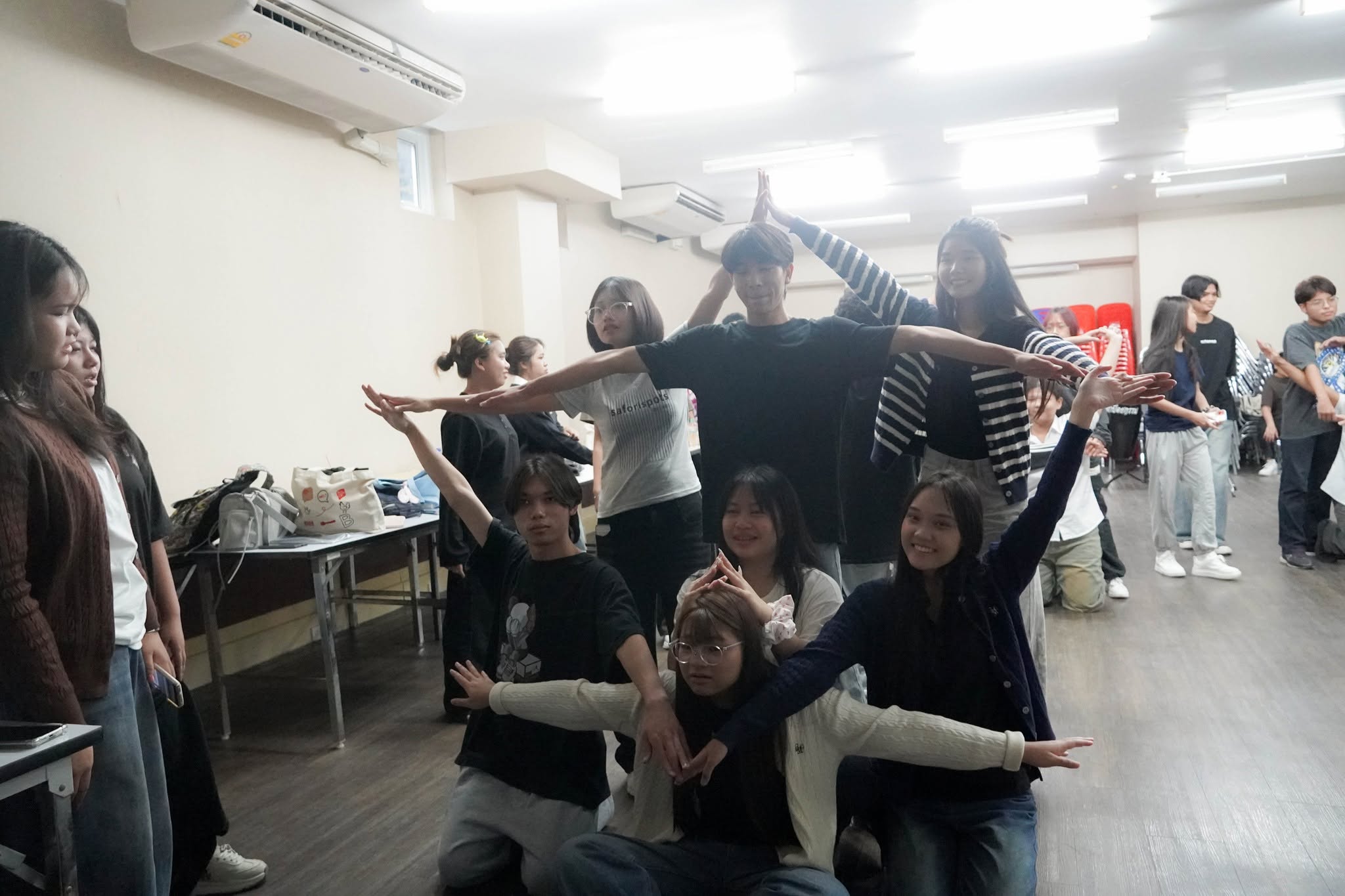
Throughout the program, students engaged in a variety of learning formats, including lectures, discussions, group activities, and hands-on practices. These experiences provided students with fundamental knowledge in architecture, creative thinking skills, communication and teamwork abilities, as well as opportunities to adapt to university life and build meaningful relationships with their peers.
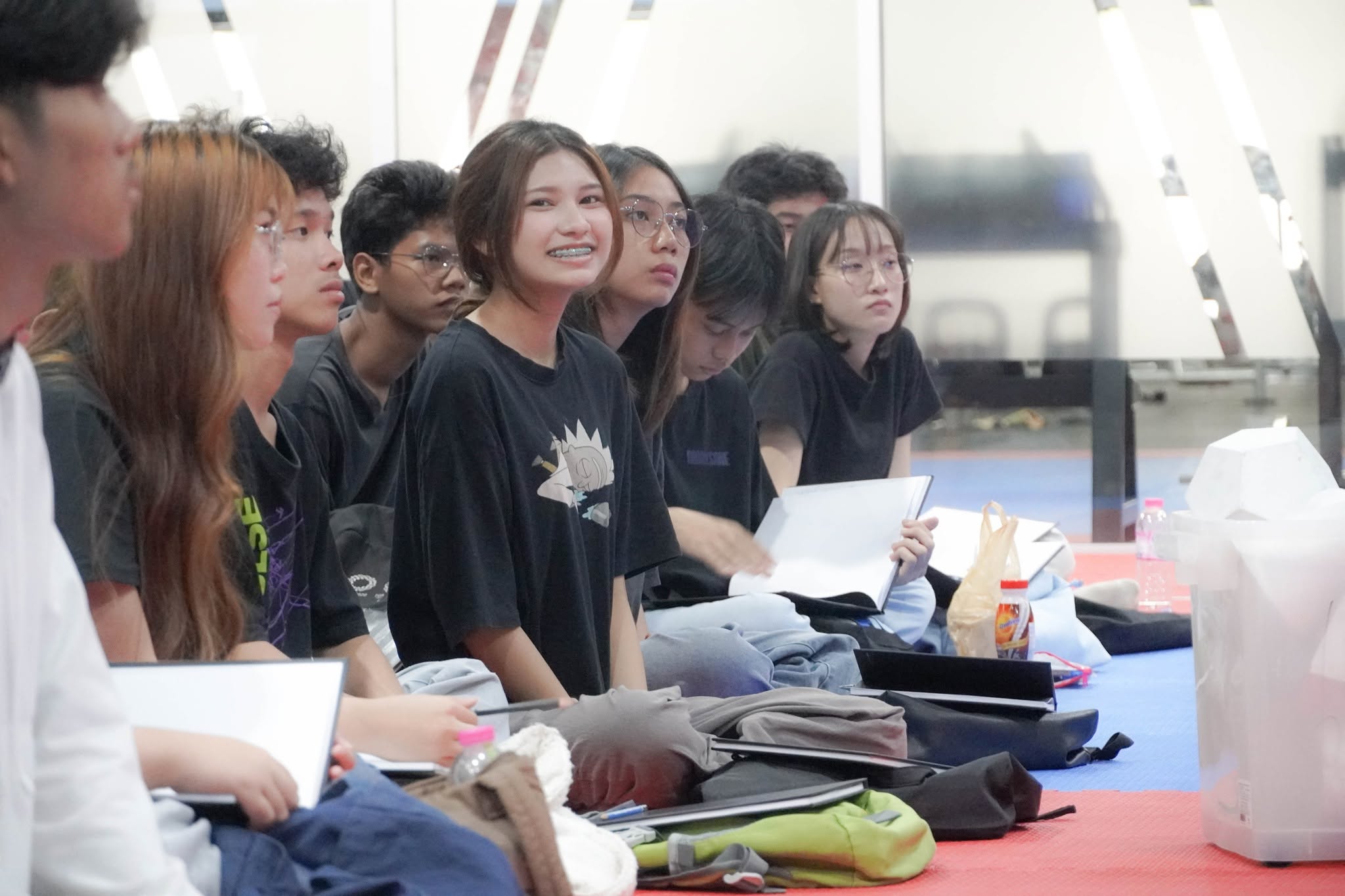
The “Arch-Foundation: Building the Foundations of Architecture, Inspiring Future Skills” program therefore served as an important starting point for establishing a strong foundation in knowledge, skills, and attitudes among new students. It prepared them for higher education and supported their development into capable and creative designers who can collaborate effectively with others and confidently respond to the changing needs of the future.